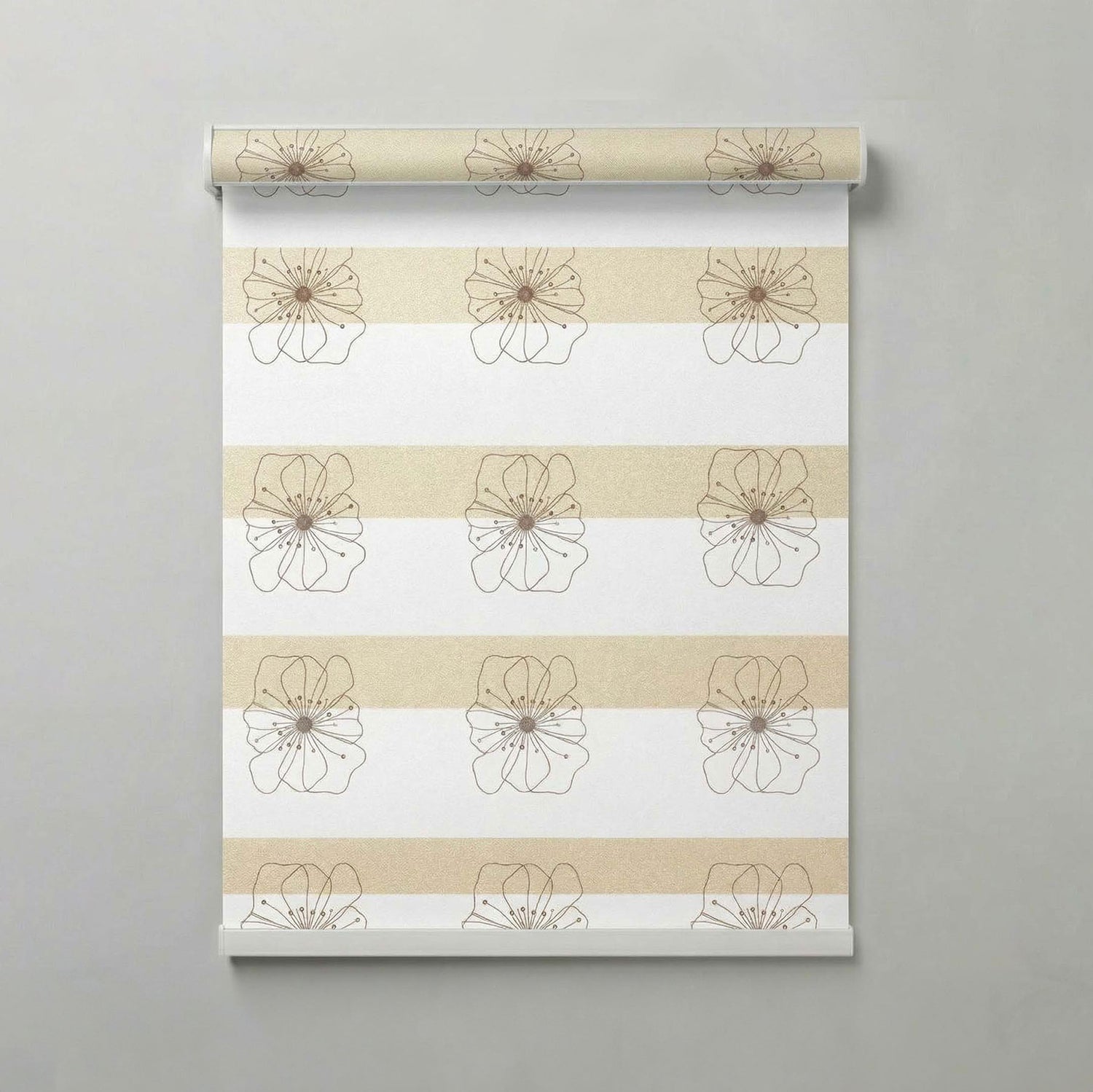
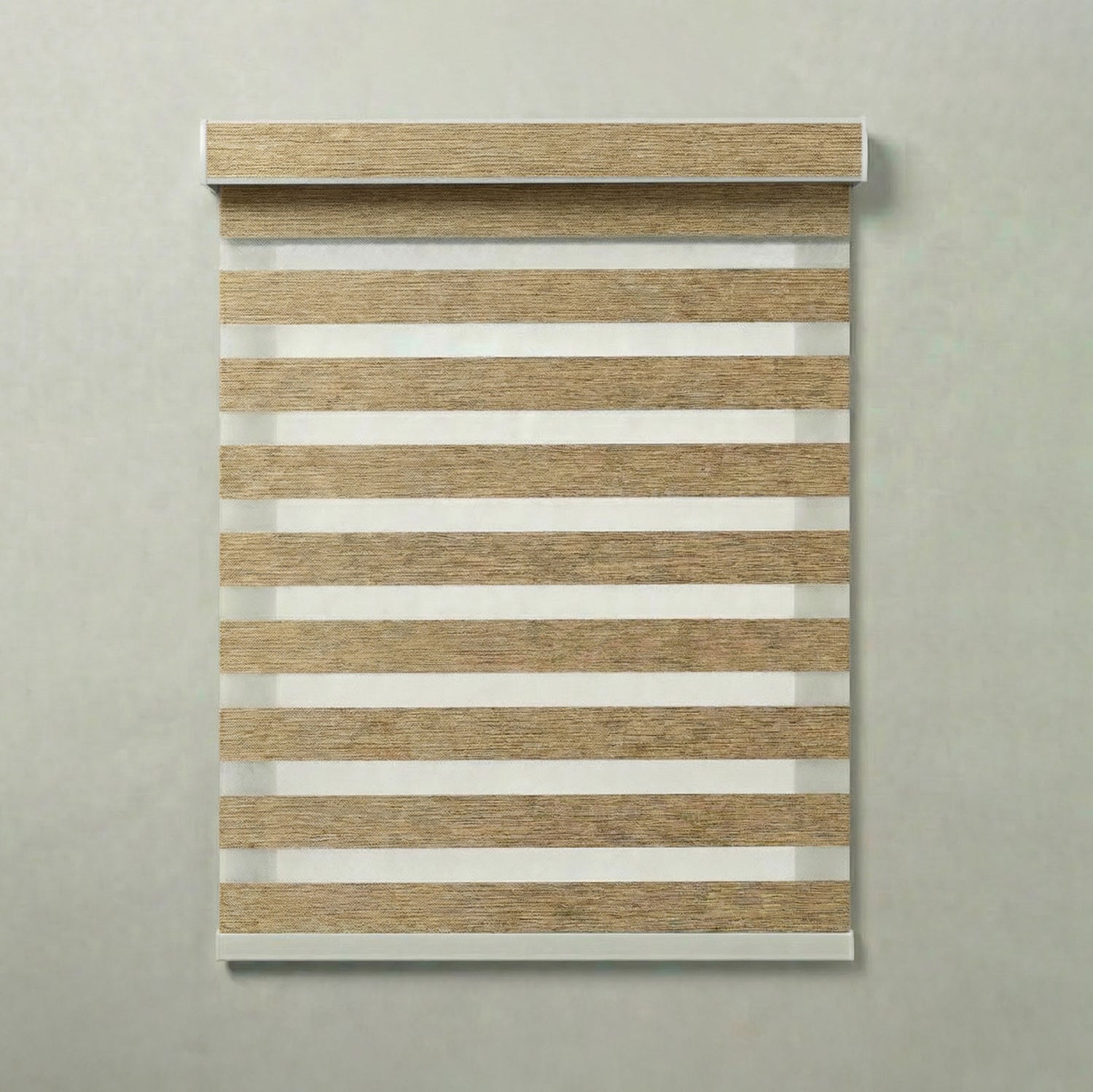

How to Install Curtains Over Blinds(Horizontal + Vertical)

Many people struggle with windows that feel either too bare or too heavy. Blinds alone can look plain, while curtains alone may lack structure. That’s why more homeowners prefer curtains over blinds while styling.
This approach addresses both style and concerns, creating windows that look complete, feel balanced, and perform better for everyday use. Below, we outline why this combination works, what to avoid, and how to install it correctly.

Why Use Curtains and Blinds?
Choosing curtains over blinds isn’t just about looks. They bring warmth and dimension, making the room feel welcoming, styled, and finished. Here’s why homeowners and designers rely on this combination.
Light & Temperature Control
Hanging curtains over blinds helps regulate sunlight throughout the day without fully darkening the room. Sheer curtains soften harsh daylight, while blinds manage direct glare and reduce indoor heat buildup. This combination also supports energy efficiency by keeping inside cool during summer and warmer in winter.
Acoustic Insulation
Adding curtains over blinds adds an extra layer of fabric that helps absorb sound in busy spaces. Thicker materials reduce echoes and soften noise from outside traffic, neighbours, or daily activity inside. This layered setup makes living areas feel quieter and more peaceful without major renovation or heavy treatments.
UV Protection
Sunlight can quietly damage your home over time, even when it feels pleasant during the day. Prolonged exposure causes furniture, flooring, and fabrics to fade faster than expected. Curtains made from dense or lined fabrics help soften and block harmful rays before they reach interior surfaces. When paired with blinds, the protection becomes stronger, especially during peak daylight hours.
Privacy Control
Privacy is a top concern for many homeowners, especially when rooms face streets or close neighbours. Curtains help conceal interior details while still allowing soft light in during the day. But as night falls, blinds are drawn to block outside views. When curtains and blinds work together, they create a complete privacy barrier that adapts to your needs. This layered setup lets you control visibility, making every room feel more secure and comfortable.
The Do’s and Don’ts of Pairing Blinds and Curtains
Pairing curtains with blinds can enhance the look and functionality of your windows. However, a few simple rules make the setup feel planned and seamless. From deciding the hanging order to choosing the right sizes and accessories, these ideas help you create a layered design without common mistakes.
Hang Blinds First
Always install blinds before adding curtains, as they sit closest to the window. Blinds prioritize daily light control and privacy. Hanging them earlier ensures a proper fit and smooth operation. It also leaves enough clearance for curtain rods without crowding the window frame.
Choose the Right Combination
Always choose a combination that matches your room’s style and colors before installation. Pair simple blinds with bold curtains for balance, or keep both layers neutral for a calm look. Thoughtful pairing creates harmony and ensures your window treatments feel intentional and well-planned.
Prefer Tall and Broad Options
Opting for taller, wider curtains helps reshape a room's feel. When panels extend beyond the window frame, they naturally draw the eye upward. This visual lift makes ceilings appear higher while broader coverage gives windows a fuller, more refined presence.
Always Add Accessories
Accessories bring the entire window setup together and improve everyday usability. Simple tiebacks, sleek rods, or subtle pelmets add structure without overpowering the design. When chosen carefully, these details hide hardware, enhance insulation, and give windows a clean, finished appearance.
Create a Cosy Environment
A cosy room starts with layers that feel soft and inviting. Pairing blinds with curtains adds visual warmth and gentle depth. Textured fabrics, fuller drapes, and calm finishes help the space feel comfortable, relaxed, and more welcoming throughout the day.
Pick Variety
Every room serves a different purpose, so window treatments should reflect that. Mixing styles, fabrics, and finishes keeps spaces visually interesting. Using a variety of blinds and curtains helps each room feel distinct while maintaining a cohesive home design.
How to Put Curtains Over Blinds?
Installing curtains over blinds becomes easy once you choose the right method. Each option below works for different needs, from renter-friendly solutions to permanent setups. Follow the steps below to know how to install curtains over blinds.
No-Drill Attachments
No-drill attachments are ideal for renters or anyone avoiding wall damage. These brackets clip onto the window frame or blind headrail, allowing curtain rods to sit securely. Installation is quick, clean, and reversible, making it perfect for lightweight or decorative curtains.
- Clean the window frame or blind headrail to ensure a secure grip.
- Attach the no-drill brackets firmly according to the manufacturer’s instructions.
- Place the curtain rod onto the brackets and check the balance.
- Slide the curtains onto the rod and adjust the folds evenly.
Traditional Rod
A traditional rod offers the strongest and most polished finish. Mounted above the blinds, it supports heavier curtains and full coverage panels. This method works best in living rooms and bedrooms where durability, layering, and a tailored look are most important.
- Measure the window width and add extra space on both sides.
- Mark the bracket placement above the blinds using a level.
- Drill holes and secure the brackets tightly into the wall.
- Mount the rod, hang the curtains, and adjust their length and fullness.
Using Drapery Styles
Different styles create different visual effects, from relaxed and casual to personalized and structured. The right selection ensures smooth movement, proper coverage, and a layered look wherever you want. Here’s how to put drapery-style curtains over blinds:
- Choose a drapery style that complements your blinds, such as grommet, rod-pocket, or pleated panels.
- Install the curtain rod above the blinds, leaving enough clearance for smooth blind operation.
- Slide grommet or rod-pocket curtains directly onto the rod before mounting it.
- Attach hooks or rings first if you’re using pleated or tailored drapery styles.
- Hang the curtains and adjust the folds evenly to frame the window neatly.
Get Suitable Blinds at Art of Blinds
Choosing the right blinds should feel simple and rewarding. At Art of Blinds, we help you find window solutions that suit your space, lighting needs, and personal style without compromise. Explore a wide variety of blinds crafted with precision and built for lasting durability.
We also offer personalized options to help you find designs that match your home’s theme and style. Whether you prefer modern smart controls or classic finishes, you’ll discover blinds that fit your needs perfectly.
Frequently Asked Questions
Can you put curtains over blinds?
Yes, you can place curtains over blinds to enhance style, increase privacy, and improve light control.
How to hang curtains over horizontal blinds without drilling?
Use no-drill curtain brackets or tension rods that fit inside your window frame above the blinds. These clamp or press in place, letting you hang curtains without screws, tools, or wall damage.
How to hang curtains without a rod over blinds?
You can hang curtains over blinds without a rod by using tension rods, adhesive or no-drill curtain brackets, or command hooks to support the curtain top, making installation simple without drilling into walls.
Do you need blinds behind curtains?
No, you can put curtains alone, but placing blinds behind them adds precise light control and stronger privacy.


